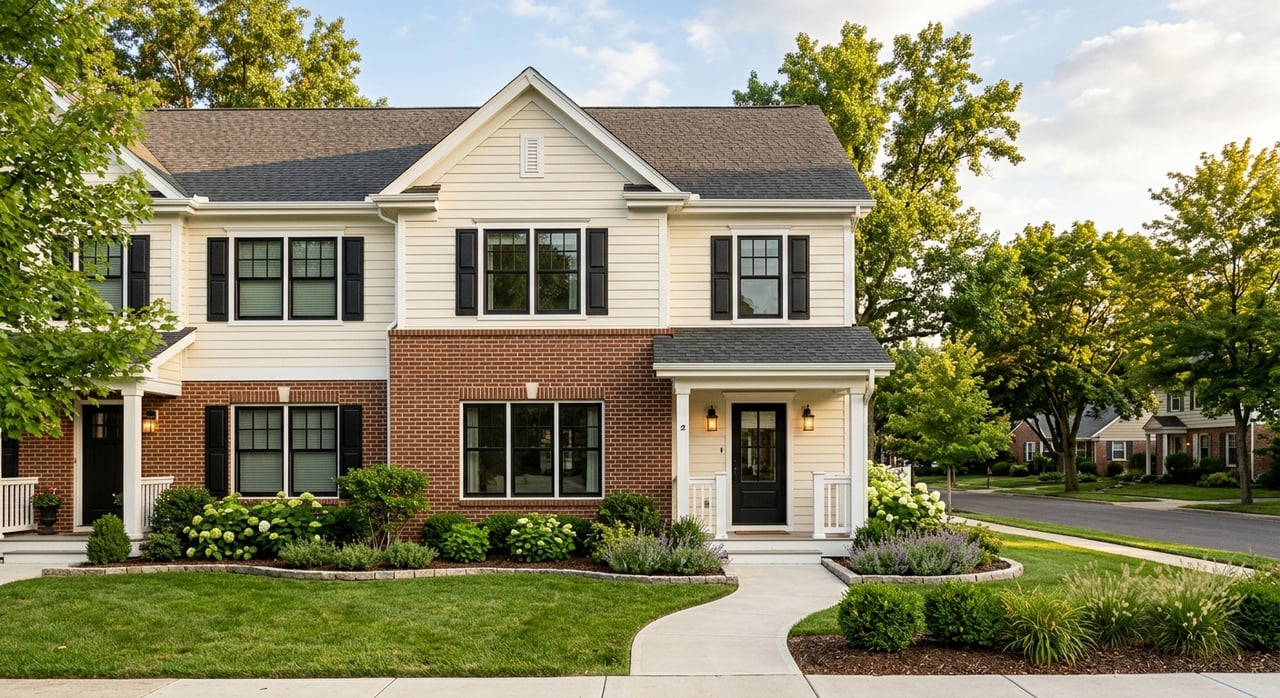
What It Is Like To Live In Manchester, Connecticut
July 23, 2026
July 23, 2026
Wondering whether Manchester, Connecticut might be the right fit for your next move? If you want a town with everyday convenience, a range of home styles, solid regional access, and more parks and activity than you might expect, Manchester deserves a closer look. Whether you are buying your first home, planning a move-up, or looking for a place that feels established and practical, this guide will help you understand what daily life here is really like. Let’s dive in.
Manchester is a town in Hartford County with about 59,635 residents and roughly 25,417 households. It covers around 27 square miles and has a median age of 37, which points to a community with a broad mix of life stages. The median household income is $86,840.
From a housing standpoint, the town profile lists 26,724 housing units, a median home value of $247,100, and median rent of $1,519. Those numbers give you a useful baseline if you are comparing Manchester with other Greater Hartford towns.
One of the biggest things that sets Manchester apart is that it does not feel like a one-strip suburb. The town has two major commercial hubs that shape daily life in different ways.
Downtown Manchester includes about 200 locally owned businesses along with civic and cultural spaces. Buckland Hills, on the other hand, functions as a major regional retail area with more than 3 million square feet of retail, plus dining, a cinema complex, and hotels.
That combination gives you options. You can spend time around Main Street for a more local, town-center feel, or head toward Buckland for errands, shopping, and entertainment in a larger commercial setting.
If walkability matters to you, downtown and the Main Street area will likely stand out first. The town highlights walking routes along Main Street and through the Cheney Brothers Historic Landmark District, supported by a concentration of civic and cultural assets.
Manchester is also advancing downtown improvements designed to make Main Street more of a Complete Street. That includes better traffic and pedestrian safety, improved streetscape elements, and new public spaces.
That does not mean the whole town feels equally walkable. In practical terms, Manchester is still largely a car-oriented suburb, but downtown offers a more connected, on-foot experience than many people expect.
Manchester has a strong park system, and that can make a real difference in how a town feels week to week. If you like having easy access to green space, trails, playgrounds, and places to gather, this is one of Manchester’s strongest lifestyle advantages.
Center Springs Park is one of the town’s standout outdoor spaces. It includes an 18-hole disc golf course, fishing and observation piers, covered pavilions, public art, and the Center Springs Lodge.
Center Memorial Park adds another layer right in the heart of downtown. It hosts seasonal events and activities, which helps connect outdoor space with community life.
Northwest Park offers baseball fields, a pond, an observation pier, a boundless playground, and hiking and walking trails. That mix makes it useful for both active recreation and lower-key everyday use.
If you are looking for more built-out recreation features, Charter Oak Park and The Oak are worth knowing. The town describes Charter Oak Park as one of its most-used parks, and recent improvements added playgrounds, basketball and tennis courts, a revamped softball field, a music garden, paved walkways, lighting, and a resurfaced bicycle path.
The Oak adds even more activity-focused amenities, including a turf soccer field, an all-wheels park, a pump track, and a bike and scooter share program. Seasonal community events also help keep the space active throughout the year.
For many buyers, that kind of recreation infrastructure adds convenience to daily life. It gives you more ways to stay active close to home without needing to leave town.
Manchester’s trail network is another plus, especially if you like walking, biking, or using multi-use paths for recreation. The planned Hop River Trail Extension would connect the Cheney Rail Trail with the Hop River State Park Trail.
That project would help close a gap in a multi-town corridor serving Manchester, Bolton, and Vernon. For residents, that points to an outdoor network that is continuing to improve over time.
Manchester’s housing stock is one of the clearest reasons the town appeals to a wide range of buyers. Instead of one dominant suburban style, you will find several layers of Connecticut housing history.
The town’s Plan of Conservation and Development explains that Manchester grew from an agricultural community into mill villages, then streetcar suburbs, then post World War II subdivisions, and later suburban residential and commercial districts. As a result, many neighborhoods have grid street systems, mixed housing types, and older development patterns.
That history shows up in the homes you will see. Some areas feel more historic and established, while others reflect later suburban growth.
Manchester’s 2024 housing profile shows a nearly balanced mix of housing styles. About 55% of the housing stock is single-family and 45% is multifamily.
A large share of the town’s housing is older as well, with 58% of units built before 1970. For you as a buyer, that often means more variety in layout, lot size, condition, and architectural style.
It also means you should expect a broad range of homes rather than a uniform neighborhood pattern. Some buyers love that character and choice, while others may want to look closely at maintenance, updates, and long-term costs as they compare options.
Manchester offers a range of housing opportunities, but affordability is still a real part of the conversation. The housing profile notes that 32% of households are cost-burdened, 14% of housing is subsidized, and the housing wage needed to afford a typical two-bedroom apartment is $28.83 per hour.
For market context, Redfin reported a median sale price of about $313,312 over the three months ending May 2026. Homes sold in about 15 days on average and received about 3 offers.
Those figures should not be compared directly to the ACS-based median home value in the town profile because they measure different things over different time periods. Still, together they suggest a market where homes can move quickly and where preparation matters.
If commuting is part of your decision, Manchester has strong practical advantages. The town points to easy access to I-84, I-384, and I-291, along with connections to I-91 and CT-15.
Regional transit options add flexibility. Manchester residents can use CTtransit bus routes, CTfastrak BRT connections, and Amtrak or Hartford Line service through Hartford Union Station.
The town also says Bradley International Airport is about a 30-minute drive. That can be especially helpful if your work or family life involves regular travel.
Manchester’s mean commute time is 22 minutes, according to the town profile. For many residents, that supports the idea of a town that is practical for day-to-day driving while still offering more transportation options than some suburbs.
CTtransit serves several stops in and around Manchester, including Buckland Park & Ride and Main Street at Center Memorial Park. ADA Transportation also serves the Greater Hartford area for riders who cannot use CTtransit.
So, is Manchester transit-first? No. But if you want a mostly car-based town with added bus, park-and-ride, and rail access nearby, it checks a lot of boxes.
For many people, Manchester strikes a balance that can be hard to find. It feels active without feeling urban in scale, and established without feeling frozen in time.
You have downtown businesses, parks, trails, community spaces, and a major retail district all in the same town. That creates a lifestyle where routine errands, recreation, and local events can all fit into everyday life fairly easily.
If you are comparing Manchester with other Greater Hartford communities, this town may appeal to you if you want variety, convenience, and an established housing stock with a stronger town-center presence than many nearby suburbs.
Manchester can make sense for several types of buyers and movers, especially if your priorities lean practical.
Like any town, the best fit depends on your budget, commute, and housing goals. The key is understanding which part of Manchester and which type of home best matches the lifestyle you want.
If you are thinking about a move to Manchester, it helps to have local guidance that goes beyond listing alerts. Whether you are buying your first place, downsizing, or trying to compare Manchester with nearby towns, Shelby Muraski can help you make sense of your options and move forward with confidence.
Stay up to date on the latest real estate trends.

With over 38 years of experience, Shelby can help make your real estate dreams come true! Call today to find out how to get top dollar when listing or the best price when buying.