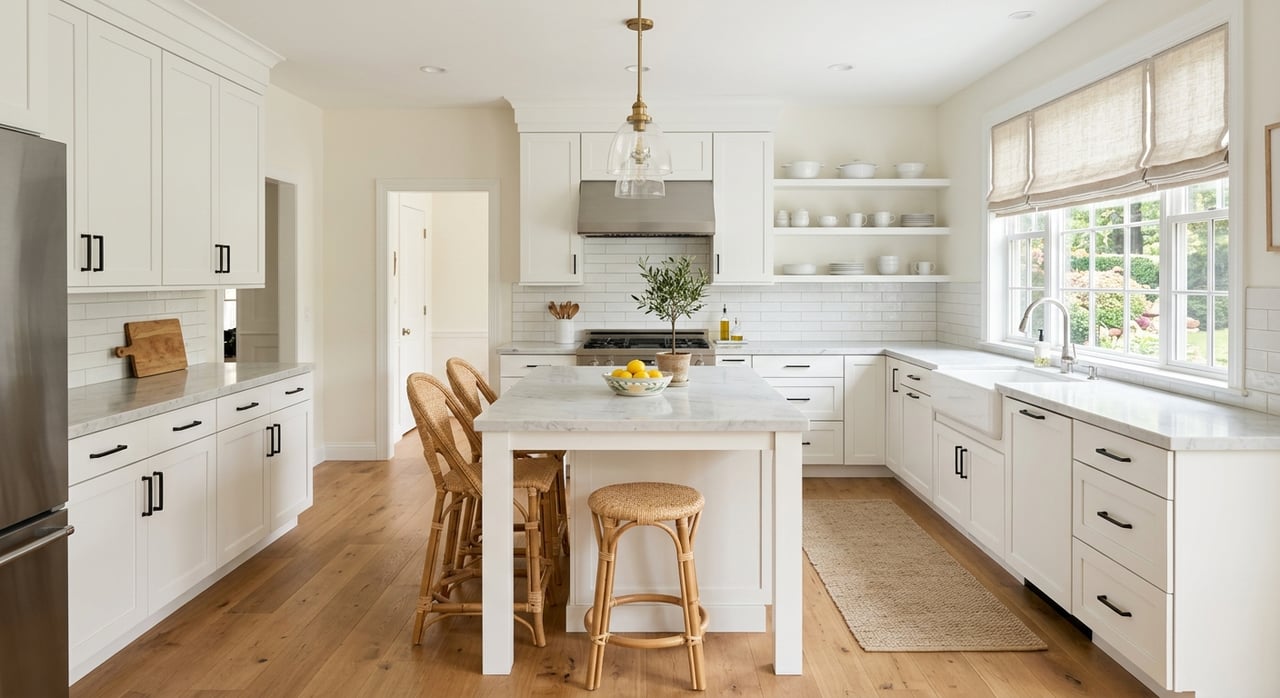
South Windsor Home Selling Prep: Your Practical Listing Roadmap
July 2, 2026
July 2, 2026
If you are thinking about selling in South Windsor, it can be tempting to jump straight to paint colors, storage bins, and weekend projects. But in a fast-moving market, the smartest prep plan is not about doing everything. It is about doing the right things in the right order so your home shows well, your paperwork is ready, and surprises are less likely later. Let’s walk through a practical roadmap that can help you get your home market-ready with less stress.
South Windsor has been moving quickly. Recent market snapshots showed a median listing price of $489,900, a median 24 days on market, and a 107% sale-to-list ratio, while another May 2026 snapshot showed a median seven days to pending. In a market like that, buyers still notice condition, presentation, and missing paperwork.
That is why broad remodeling is not usually the first move. When inventory is limited and homes are moving fast, the bigger payoff often comes from making your home feel clean, well-kept, and easy to move into. For many sellers, that means focusing on visible improvements, solid documentation, and a polished presentation.
Before you schedule painters or start packing closets, review the Connecticut disclosure requirements. The Connecticut Department of Consumer Protection says the Residential Property Condition Report was revised in July 2025, and certain owners also need to complete a Residential Foundation Condition Report.
The standard report applies to transfers of residential real property with four dwelling units or fewer, including condos and co-ops. It must be provided before a buyer signs a binder, contract, option, or lease with a purchase option. If you do not furnish it, the law requires a $500 credit to the purchaser at closing.
This form is more than a legal step. It is also a very useful planning tool because it tells you what kinds of questions buyers are likely to ask and what issues you should think through before listing.
The Connecticut form asks about many of the issues that can affect a sale, including:
If any of these apply to your home, it is better to deal with them early. That does not always mean fixing every item. It does mean understanding the issue, gathering records, and being ready to answer questions clearly and honestly.
If your home has had additions, alterations, or renovations over the years, now is the time to pull together records. South Windsor’s Building Department oversees construction in town, enforces Connecticut building codes, and keeps records related to this work.
For many longtime owners, paperwork can get scattered over time. Try to collect:
This step can be especially important in Greater Hartford, where much of the housing stock is older. If your home has been updated over decades, buyers may want more clarity on what was done and when.
Once your paperwork is in progress, turn to the physical prep that buyers will notice right away. In most cases, these are the projects with the best balance of cost, speed, and payoff.
According to recent National Association of Realtors data, the most common recommendations from agents are decluttering, cleaning the entire home, and improving curb appeal. Sellers also often prioritize painting and checking the roof, while major kitchen and bath remodels tend to have lower cost recovery than many smaller upgrades.
Start with the items that make a home feel cared for and move-in ready:
These projects are practical because buyers notice them immediately. They also help your listing photos look cleaner and brighter.
In most cases, you do not need a full remodel just to sell. NAR reporting shows complete kitchen renovations and bathroom renovations often recover much less of their cost than smaller, more visible updates.
That is why a measured approach usually makes more sense. If your cabinets are functional and the layout works, a clean, neutral, well-presented room often serves you better than an expensive project that adds time and stress.
Staging is not about making your home look fake. It is about helping buyers understand the space and picture how they would live there.
NAR defines staging as presenting a home to highlight its strengths. In its 2025 survey, 83% of buyers’ agents said staging made it easier for buyers to envision the home as their future home, 49% of sellers’ agents said staged homes sold faster, and 29% of agents said staging produced a 1% to 10% increase in the dollar value offered.
The rooms buyers tend to care about most include:
If you are not staging every room, start there. These spaces shape a buyer’s first impression and often carry the most emotional weight during a showing.
You do not always need full professional staging. NAR guidance shows the basics matter most:
For sellers who want extra support, staging does not always have to be a major expense. NAR reported a median cost of $1,500 for a staging service, or $500 when the seller’s agent handled the staging themselves.
Many homes in the Hartford area were built decades ago, and that can affect your prep timeline. Older homes often come with normal questions about maintenance history, upgrades, permits, drainage, and systems.
That does not mean buyers will be scared off. It just means preparation matters. If your home has a long ownership history, take extra time to document improvements, organize receipts, and think through any recurring issues that may come up during the inspection period.
If you know of basement moisture, drainage issues, roof leaks, or foundation concerns, address the documentation side now. The Connecticut disclosure form specifically asks about these conditions, and buyers are likely to focus on them.
In some cases, the best next step is a repair. In others, it may be gathering reports, invoices, or contractor notes so the issue can be explained clearly. Waiting until the inspection period can make a manageable issue feel larger than it is.
Lead-based paint disclosure should be on your early checklist if the home was built before 1978. Federal law requires sellers to disclose known lead-based paint information, provide copies of available records and reports, give buyers the EPA pamphlet Protect Your Family From Lead in Your Home, and allow a 10-day period for the buyer to conduct a lead inspection or risk assessment.
If this applies to your property, organize those materials before listing. It is one more reason to start your prep early instead of treating paperwork as a last-minute task.
Even in a fast market, good prep takes time. Realtor.com’s 2026 best-time-to-sell analysis said sellers should start well before their intended listing date because prep is a process.
For many South Windsor sellers, a 4- to 8-week prep window is realistic if the home needs decluttering, paint, minor repairs, storage, or vendor scheduling. You may need longer if there are permit questions, foundation concerns, roof issues, drainage problems, or lead disclosure materials to organize.
Here is a practical order of operations:
The goal is not perfection. The goal is confidence.
When your home is clean, well-presented, and supported by clear records, buyers can focus on the space itself instead of on loose ends. That usually creates a smoother path from showing to offer to closing.
If you are preparing to sell a longtime home, helping a parent from out of town, or trying to balance timing for your next move, a practical plan makes all the difference. For tailored guidance on what to fix, what to skip, and how to prepare for today’s South Windsor market, connect with Shelby Muraski.
Stay up to date on the latest real estate trends.


With over 38 years of experience, Shelby can help make your real estate dreams come true! Call today to find out how to get top dollar when listing or the best price when buying.