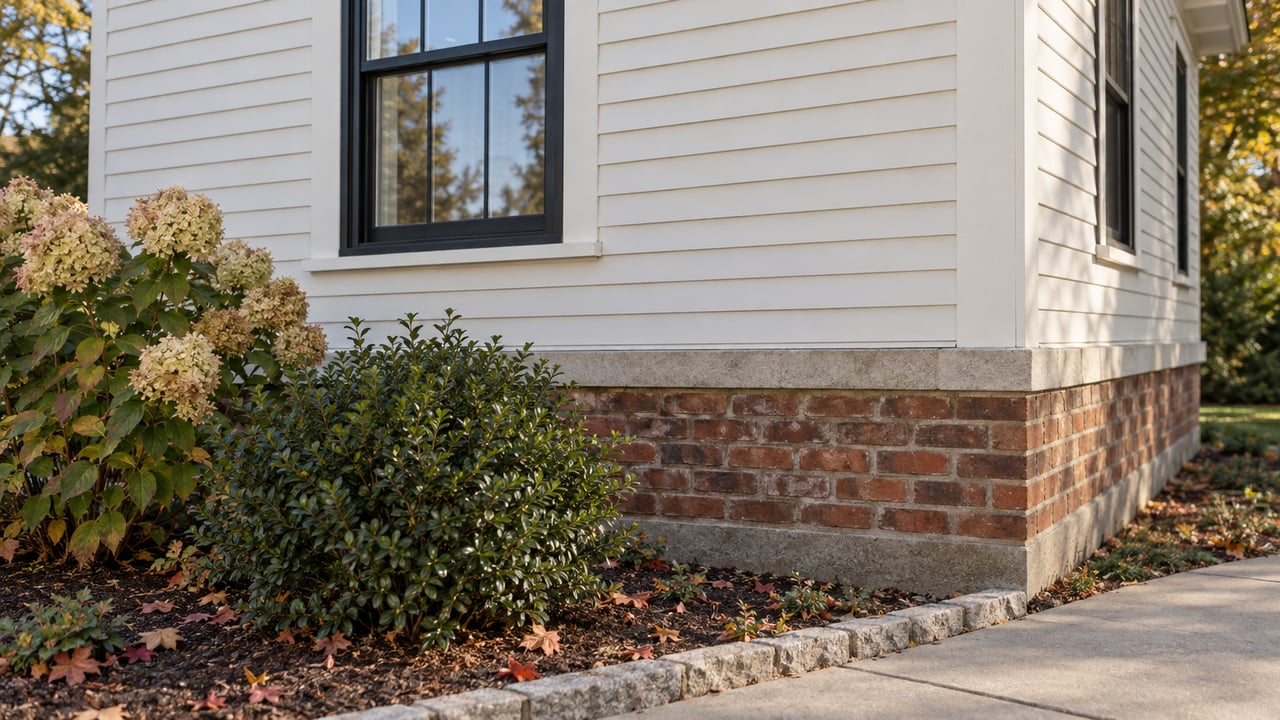
Selling a South Windsor Home With a Foundation Claim Means Doing the Transfer Yourself
October 1, 2026
October 1, 2026
Two paperwork trails follow certain South Windsor homes long after the moving truck pulls away. One is a tax record. The other is a state-backed insurance claim. Both exist because of the same regional problem. CFSIC says a seller holding an Active, Inactive, or Pending claim is responsible for transferring it to the buyer.
This isn't a hypothetical for South Windsor sellers the way it might be in towns further from Hartford. South Windsor sits on the state's own list of towns affected by the region's crumbling concrete foundation crisis, and the paperwork built around that crisis has specific, easy-to-miss handoff requirements that a generic Connecticut disclosure checklist won't mention.
State investigators traced the region's foundation problems to concrete supplied by the J.J. Mottes Concrete Company in Stafford Springs between 1983 and 2015, with the earliest and most visible cracking showing up in foundations poured during the 1980s and 90s. The mineral responsible, pyrrhotite, degrades slowly when exposed to air and moisture, which means a foundation can look sound for decades before problems surface.
South Windsor appears by name on the Capitol Region Council of Governments' own list of towns identified for foundation-related real estate transaction requirements under Connecticut General Statute 20-327b, alongside Vernon, Tolland, Manchester, and several other Capitol Region communities. A 2020 review of the Connecticut Foundation Solutions Indemnity Company's claims database by NBC Connecticut put South Windsor's registered claimant count at 116, one of the highest in the state at that point, trailing only Vernon, Tolland, and Manchester. The town's own crumbling foundation resource page, maintained by South Windsor Town Hall, shows a paper trail going back to 2017, when the town first held public forums on the issue.
None of that means every South Windsor home built in that window has a problem. It means the systems built to handle the problem, when it does exist, run through this town at meaningful scale, and a seller here is far more likely than average to be holding one of the two paper trails described above.
Connecticut's Residential Property Condition Report gives sellers three answers to choose from on most questions: Yes, No, or Unknown. The form is explicit that Unknown covers only what a seller genuinely doesn't know, and the law behind it, Connecticut General Statute 20-327b, requires the completed report before a buyer signs any binder or contract. Nolo explains that a seller who skips the form entirely owes the buyer a $500 credit at closing under a separate statute. Some sellers in ordinary Connecticut transactions treat that as an acceptable shortcut. That shortcut does not work the same way here.
If your home's town-assessed value has ever been reduced because of a confirmed foundation issue, you did not get that reduction by checking a box. The Capitol Region Council of Governments' guidelines, the same guidelines South Windsor's own assessor's office has used, require a report from a licensed professional engineer confirming defective concrete and assigning a severity class before any reduction is granted. The Journal Inquirer reports that the resulting discount runs on a sliding scale from 20 percent to 100 percent off the building's assessed value, with land value untouched. In a Journal Inquirer report on how the crisis was reshaping town budgets across the region, South Windsor's assessor said the town had reassessed 87 properties, cutting the town's grand list by more than $339,000.
You sought it out, you used it to lower your tax bill, and it exists in the town's own assessment file.
A tax assessment reduction is one paper trail. A CFSIC claim is the other, and it works differently in a way that catches even claimants who think they understand the process.
CFSIC's own site describes the fund as having received more than 2,500 applications, with a meaningful share of them coming from South Windsor, and more than $200 million spent helping affected families recover equity and helping towns restore their tax base. What the fund does not do is move a claim automatically when a house changes hands. A May 2024 update from CFSIC spelled this out directly to claimants: anyone holding an Active, Inactive, or Pending claim who is in the process of selling is personally responsible for transferring that claim to the buyer, and the agency states plainly that the seller is the only one who can do it.
That same update described a real moment when the two systems, CFSIC's claim requirements and the town's own building permit fee waiver requirements, got crossed in South Windsor itself. CFSIC briefly paused activity in the town after someone confused what the fund needed to keep a claim active with what South Windsor required to waive a building permit fee. The pause lasted about 48 hours before South Windsor Town Manager Michael Maniscalco stepped in and the matter was resolved. If people working inside these systems can mix up which paperwork belongs to which process, a seller relying on the closing to sort it out is taking a real risk.
Practically, this means a seller who tells a buyer "there's a claim on file" without formally initiating the transfer has handed over a house with a documented foundation issue and no guarantee the buyer can access the fund that exists specifically to help with it. The gap isn't a technicality. It's the difference between a buyer who can apply for remediation help and one who can't.
CFSIC's town page for South Windsor states the fund will sunset on June 30, 2030, and stop accepting new applications after that date. For a seller who suspects a problem but has never tested or filed, that date turns a vague someday into an actual decision point. A foundation issue discovered or disclosed after the sunset, whether by a new owner or by a seller who put off testing, no longer has this particular path to state-backed remediation funding available for a fresh claim.
Is South Windsor the only town where this comes up? No. CRCOG's list includes Vernon, Tolland, Manchester, Coventry, and several other Capitol Region towns. The mechanics described here, the assessment paper trail and the claim transfer, work the same way regardless of which of those towns the home sits in.
What if I've never tested and genuinely don't know? The disclosure form includes an Unknown answer. Testing before you list gives you more control over the conversation than an inspection contingency surfacing it later.
What happens if closing happens and the claim was never transferred? Based on CFSIC's own guidance, the responsibility to initiate that transfer sits with the seller, and nothing in the process does it automatically. Treat it as a line item on your closing checklist, right alongside the deed and the disclosure form itself.
South Windsor sellers dealing with any part of this, a reduced assessment, an open claim, or just a home built in the years this issue touches, are working through paperwork that most disclosure guides never get specific about. Shelby Muraski has helped South Windsor clients work through exactly this kind of transaction detail for years. Let's Connect before you list, so the handoff gets done right the first time.
This article is general information, not legal, tax or financial advice. Consult a qualified professional about your situation.
Stay up to date on the latest real estate trends.



With over 38 years of experience, Shelby can help make your real estate dreams come true! Call today to find out how to get top dollar when listing or the best price when buying.